
Engineering & homologation
Behind every quiet surface
is a calculated structure.
A bespoke cabin is only as good as the engineering underneath it. Ertex measures the real vehicle, turns approved geometry into machined parts, tests the electronics before they enter the cabin, and puts the finished vehicle through accredited homologation.
The chain
From the actual vehicle to a verified part
Each stage hands verified data to the next one. Nothing is manufactured from an assumption about what a vehicle's geometry should be.
3D scanning
The vehicle's true geometry, mounting points and technical clearances are captured digitally, on the specific chassis being built.
Clay and prototype
Physical studies settle proportion, ergonomics, touch points and how surfaces meet — judgements a screen cannot make alone.
CAD / CAM
Approved geometry becomes coordinated component data, with material thicknesses, interfaces and service clearances resolved in the full assembly.
CNC production
Structural and decorative parts are machined directly from verified data, so complex curves and connections repeat within controlled tolerances.
Electronics
Lighting, controls, actuators, charging, audio and comfort systems are tested at component and assembly level before installation.
Verification
Installation quality, system function and project records are reviewed together, and homologation testing closes the file.
Ergonomics
The passenger is mapped as carefully as the vehicle
Seat H-point, sight lines, leg support, table reach and the corridors people actually move through are treated as part of the cabin's architecture rather than as comfort details settled at the end.
Full-scale studies sit alongside the digital model so that a layout which measures well on screen is also confirmed by sitting in it.


Manufacturing
Repeatable accuracy on complex forms
CNC routing produces structural panels, decorative surfaces, templates and mould components straight from approved data — which is what makes a curve on the left side of the cabin match the one on the right.
- Production follows the approved digital model, not a shop-floor interpretation
- Adjoining parts are coordinated before anything reaches assembly
- Every machined part is checked and finished by the team responsible for it
Structure
Seat frames, belt mountings and load paths
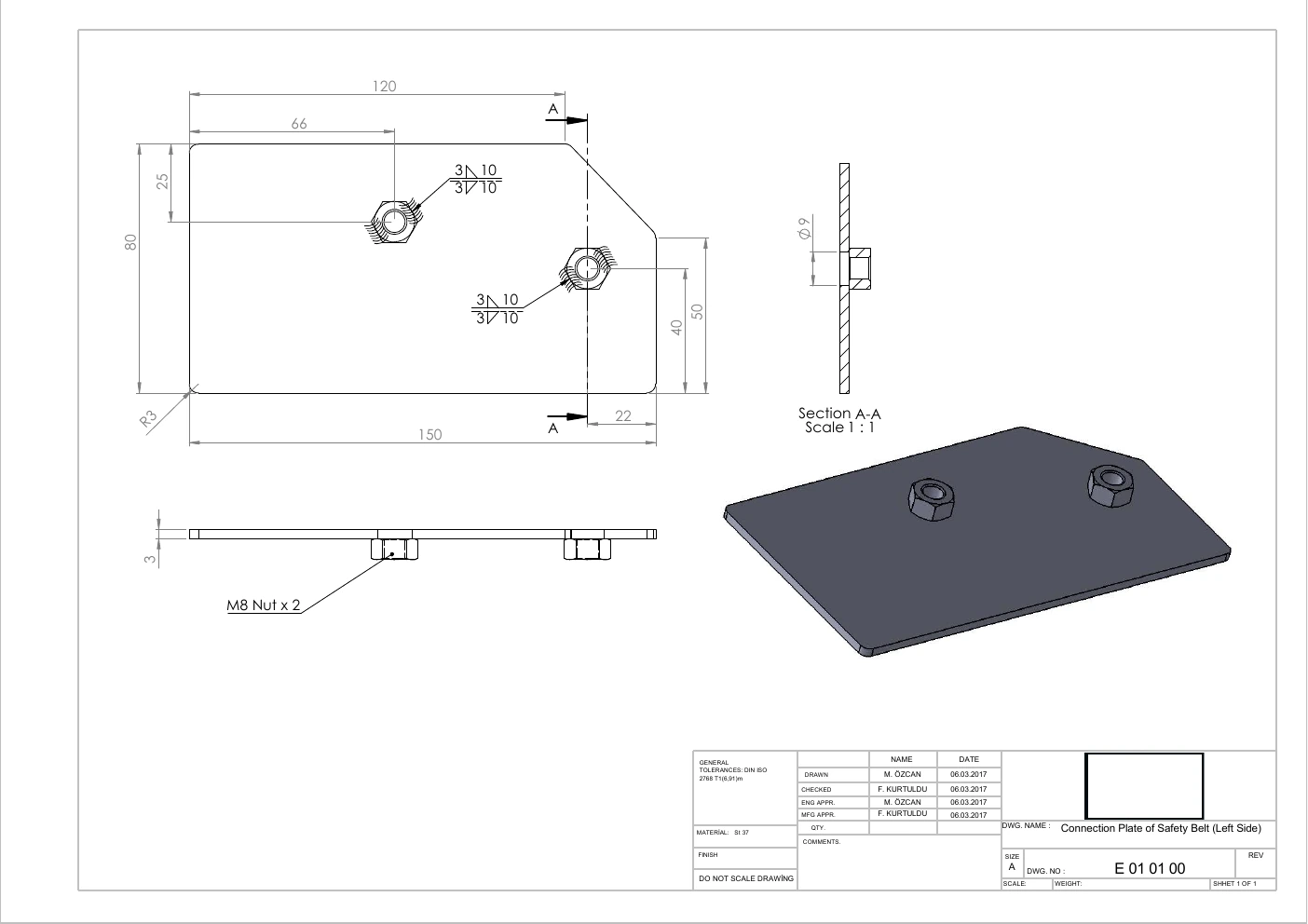
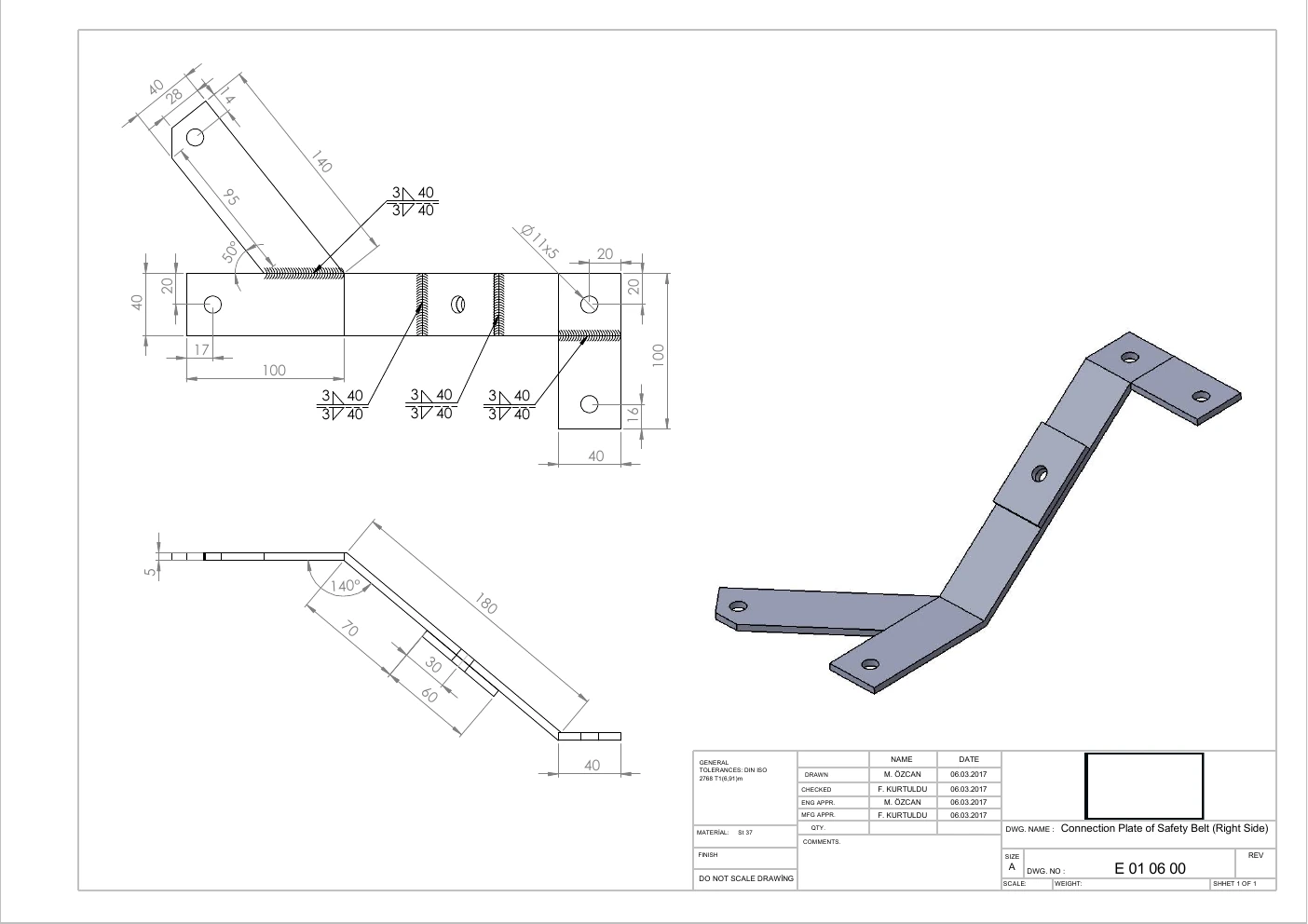
The parts nobody sees are the ones that carry people. Each is dimensioned for the project, defined in technical drawings and manufactured under controlled process — down to the specified tightening torque of individual fasteners.




In the workshop
Where the data becomes a part
Digital capture, three-dimensional modelling, machining and electronics development all happen inside the Ankara facility, on the same project data.


Approvals
Tested by accredited bodies, not by assertion
Ertex vehicles have completed the homologation testing carried out by Applus+ IDIADA, an internationally accredited automotive technical service, and the company works to an ISO 9001:2015 quality system alongside TÜV SÜD approvals.
Technical decisions, production checkpoints and quality records move through the same approved framework, which is what allows a bespoke vehicle to be registered and used in the markets our clients operate in.
Regulations
The framework a converted vehicle has to satisfy
European type-approval regulations covering electromagnetic compatibility, restraints, seat strength, interior fittings and lighting apply to converted vehicles just as they do to factory ones.
Enquire
Ask us the technical questions
If your project has an approval requirement, a destination-market registration question or a structural constraint, put it to the engineering team directly.